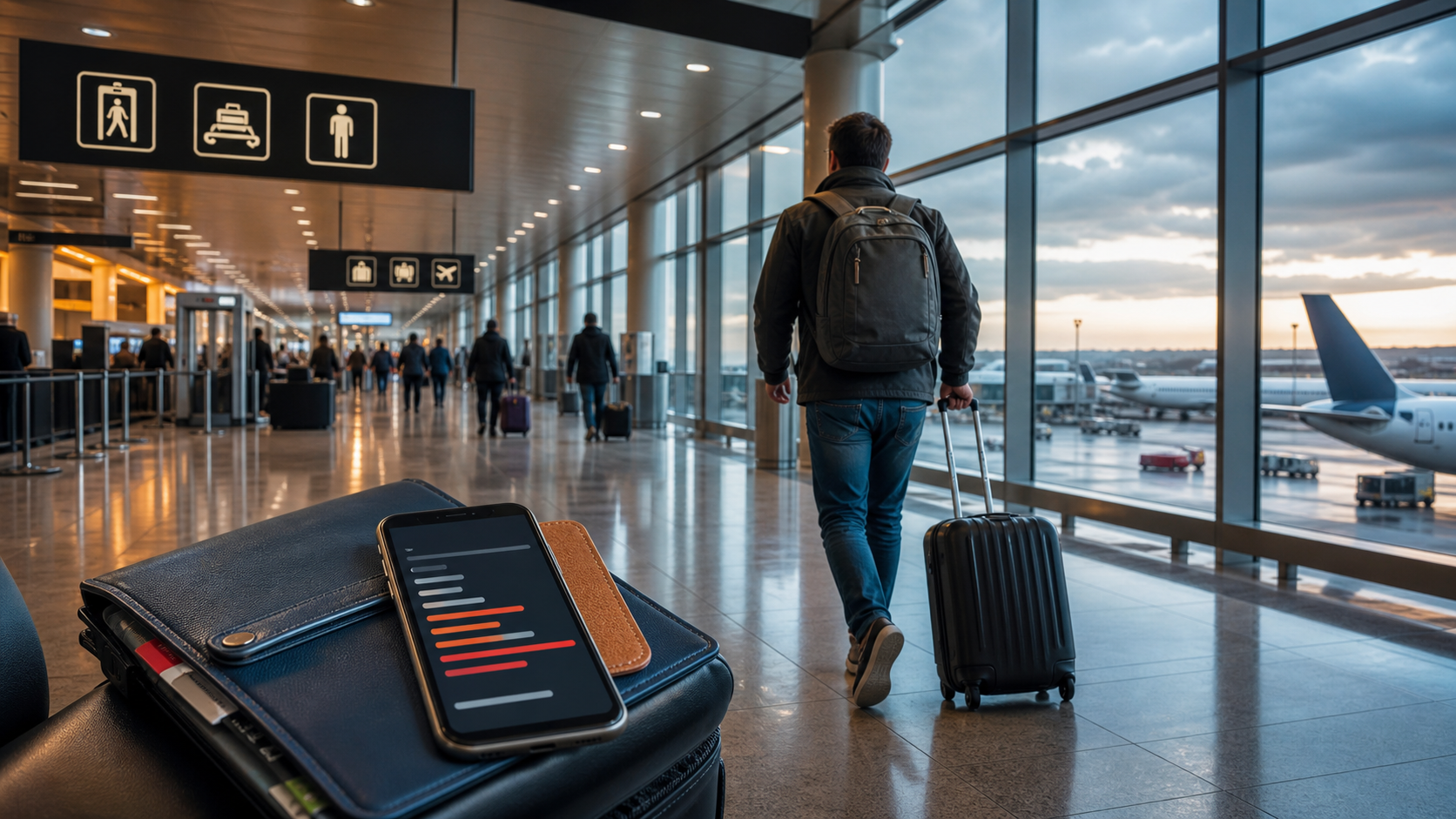
Step one: bring REAL ID or an accepted alternative
TSA requires travelers 18 and older to present acceptable identification at the checkpoint. Since May 7, 2025, a standard state license or ID that is not REAL ID compliant is no longer valid airport ID. Accepted alternatives include a U.S. passport or passport card, permanent resident card, foreign passport and DHS Trusted Traveler cards such as Global Entry, NEXUS and SENTRI.
TSA currently accepts listed documents up to two years after expiration. Without acceptable ID, an officer may try an identity-verification process and apply additional screening, but entry is not guaranteed. Children under 18 generally do not need ID for domestic TSA screening, though airlines may set their own requirements.
Step two: pack for the checkpoint
Ordinary liquids, gels and aerosols follow 3-1-1: each container must be 3.4 oz/100 ml or less and fit inside one clear quart-size zip bag. Container capacity matters even when a larger bottle is nearly empty.
Medically necessary liquids, medications and creams can exceed 3.4 oz but should be declared and separated for screening. Search TSA's What Can I Bring list or contact AskTSA for uncertain items; the checkpoint officer makes the final decision.
- Keep identification and medication accessible, not in checked luggage.
- Spare lithium batteries and power banks generally belong in carry-on baggage, subject to airline capacity limits.
- Recheck airport and airline arrival-time advice before leaving home.
Step three: separate airport conditions from your flight
FAA recommends NASstatus.faa.gov for airport delays, ground stops, ground delay programs and airspace events. It shows system conditions, not a flight-specific promise, so pair it with the airline's status.
When weather or traffic management affects the airport, look for alternatives early in the airline app. Do not voluntarily cancel the original booking before confirming the replacement. Capture the original schedule, reason, notices and offered choices for later claims.
After a weather diversion, locate the aircraft, passengers and bags
A diversion does not mean the flight is canceled. The aircraft may refuel and continue, wait for weather, or deplane passengers while the airline finds a crew or rebooks them. Do not cancel on your own first. Check whether the original flight still operates, whether bags will be delivered, and whether accepting a rebooking removes the original seat.
Weather is generally outside an airline's control, so meals and hotels are not guaranteed. Record the diversion airport, landing time, airline notices and choices offered. If the airline later cancels or makes a DOT-defined significant change and you decline continued travel, then request a refund to the original payment method.
- Keep the original boarding pass, bag tag and app notifications.
- If arrival is urgent, compare airline rebooking with self-funded alternatives; reimbursement is not guaranteed.
- Save itemized meal, hotel and ground-transport receipts, then check the card used to buy the ticket.
When cash refunds apply instead of a voucher
DOT rules entitle a passenger to a refund when the airline cancels and the passenger does not continue or accept a voucher, miles or another alternative. Significant changes can also qualify: a domestic itinerary departing early or arriving late by at least three hours, an international itinerary by at least six hours, a changed origin or destination, added connections, or a cabin downgrade.
For direct airline purchases, an eligible refund should return automatically to the original payment method when the passenger rejects alternatives. The deadline is generally seven business days for credit-card payments and 20 calendar days for other methods. Taking the replacement flight generally eliminates a refund for the full unused ticket.
| Choice | Typical result | Confirm first |
|---|---|---|
| Accept the next flight | Continue travel; generally no full-ticket refund | Flight, seat, bags and connections |
| Reject rebooking and stop travel | Eligible refund to original payment | Do not accidentally accept a voucher |
| Take the delayed original flight | Usually no fare refund | Airline amenities and card coverage |
| Buy a separate replacement | Original airline need not reimburse it | Airline options and insurance terms |
Meals, hotels and compensation are separate questions
Federal rules do not require meals or hotels for every delay. DOT's Airline Cancellation and Delay Dashboard lists major airlines' public commitments for controllable disruptions; weather and air traffic control generally fall outside those commitments.
For an overnight delay, ask for the cause and available vouchers in writing. Then read the credit card's Guide to Benefits. Coverage often requires charging part or all of the fare to the card, a minimum delay, reasonable unreimbursed expenses, receipts and a claim deadline.
Labor Day airport checklist
- Before leaving: save the itinerary and an offline boarding pass; verify REAL ID or another accepted document.
- Packing: put ordinary liquids in one quart-size bag and separate medications.
- During disruption: check the airline, airport and FAA NAS Status; document the timeline and cause.
- Before choosing a refund: compare whether you still must reach the destination and the replacement cost.
- For expenses: save itemized hotel, meal, ground-transportation and essential-purchase receipts.
- After travel: claim airline commitments first, then eligible remaining expenses under card benefits.
Frequently asked questions
Can I fly domestically without REAL ID?
Yes, with another TSA-accepted document such as a passport, passport card, permanent resident card or eligible Trusted Traveler card. Identity verification without acceptable ID is possible but not guaranteed.
Does a three-hour delay always mean a refund?
No. The DOT standard depends on the actual significant change and whether you decline continued or alternative travel. A domestic arrival at least three hours late can qualify if you do not continue.
Can I demand a refund immediately after a diversion?
Not necessarily. A diversion is not automatically a cancellation. Confirm whether the flight will continue; a refund generally applies after a cancellation or qualifying significant change when you decline continued or replacement travel.
Must an airline provide a hotel for weather?
There is no universal federal hotel requirement. Dashboard commitments generally focus on controllable causes, not weather or air traffic control.
Will credit-card trip-delay insurance pay every cost?
No. Each benefit has delay thresholds, covered travelers, limits, eligible expenses, payment requirements and exclusions, net of airline reimbursement.
Sources and verification
Four things to remember
- Identification:Travelers 18 and older should bring REAL ID or another TSA-accepted document; a standard noncompliant state license is no longer valid airport ID.
- Screening:Pack ordinary liquids in containers of 3.4 oz/100 ml or less inside one quart-size bag; medically necessary liquids follow different procedures.
- Delays:Use both the airline app and FAA NAS Status, protect a workable alternative first, then decide between rebooking and a refund.
- Refunds and expenses:A cancellation or DOT-defined significant change can trigger a refund if you do not continue; meals and hotels depend on cause and airline commitments.
Treat identification, screening, rebooking and refunds as separate decisions. Prevent checkpoint problems with accepted ID and correct packing; after a delay or diversion, confirm whether the flight continues and preserve alternatives and evidence. DOT refunds mainly apply when you decline continued or replacement travel. Rules verified Aug. 26, 2026.